Product Catalog

























Showing 81–96 of 667 results
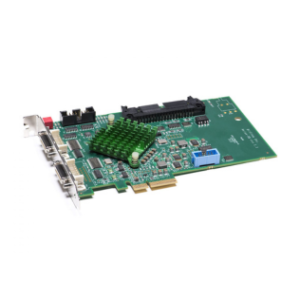
The Axion-CL is the most powerful CL frame grabber BitFlow has ever manufactured. A natural addition to this family was obvious…a CL Base version. The Axion xB series will be replacing the Neon series of Camera Link frame grabbers.
The Axion-CL also benefits from other products in BitFlow’s line up. The Axion-CL uses the Cyton-CXP’s backend: the StreamSync DMA engine and buffer manager. A brand new PCIe Gen 2 interface, with DMA optimized for modern (fully loaded, fully busy) computers.
Moving from the Neon family to the Axion family is simple. No need to make changes to your code, just recompile with the latest SDK. If you are using a 3rd party application, such as Cognex Vision Pro or LabVIEW, just download the latest driver and your program will already be supported. The same application can support both the Axion and the Neon family (as well as our CXP line of frame grabbers).
Connectors on the Axion 2xB are the same as those on the Neon CLD, so your existing cable infrastructure will not need to be changed.
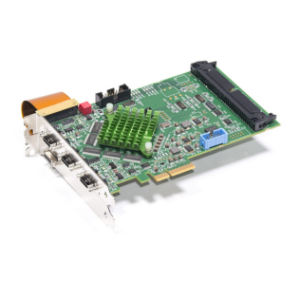
BitFlow has been making Camera Link frame grabbers since 1999. With each successive generation of frame grabbers, BitFlow has improved the quality, flexibility and robustness of their interfaces. Meanwhile, much has changed on the backend; PCI to PCIe, Gen 1 to Gen 2, etc. Also the Camera Link Specification had been continuously evolving: 80-bit (10-tap) mode was added, Power over Camera Link (PoCL), new connectors, new tap formats. Even though the specification has been around a long time, it is still one of the simplest, efficient and least expensive ways to get camera data into a computer. It also benefits from 100s of thousands of pieces of CL equipment sold worldwide.
BitFlow has been on top of all these changes and has continuously improved and updated their Camera Link frame grabbers. The Axion-CL is the culmination of all of these improvements, the most powerful CL frame grabber BitFlow has ever manufactured.
The Axion-CL also benefits from other products in BitFlow’s line up. The Axion-CL uses the Cyton-CXP’s backend: the StreamSync DMA engine and buffer manager. A brand new PCIe Gen 2 interface, with DMA optimized for modern (fully loaded, fully busy) computers.
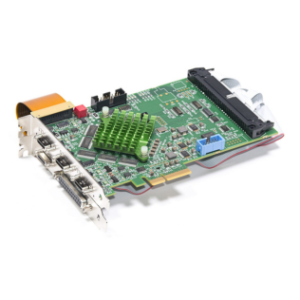
BitFlow has been making Camera Link frame grabbers since 1999. With each successive generation of frame grabbers, BitFlow has improved the quality, flexibility and robustness of their interfaces. Meanwhile, much has changed on the backend; PCI to PCIe, Gen 1 to Gen 2, etc. Also the Camera Link Specification had been continuously evolving: 80-bit (10-tap) mode was added, Power over Camera Link (PoCL), new connectors, new tap formats. Even though the specification has been around a long time, it is still one of the simplest, efficient and least expensive ways to get camera data into a computer. It also benefits from 100s of thousands of pieces of CL equipment sold worldwide.
BitFlow has been on top of all these changes and has continuously improved and updated their Camera Link frame grabbers. The Axion-CL is the culmination of all of these improvements, the most powerful CL frame grabber BitFlow has ever manufactured.
The Axion-CL also benefits from other products in BitFlow’s line up. The Axion-CL uses the Cyton-CXP’s backend: the StreamSync DMA engine and buffer manager. A brand new PCIe Gen 2 interface, with DMA optimized for modern (fully loaded, fully busy) computers.
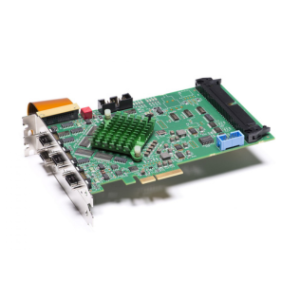
The Axion-CL is the most powerful CL frame grabber BitFlow has ever manufactured. A natural addition to this family was obvious…a CL Base version. The Axion xB series will be replacing the Neon series of Camera Link frame grabbers.
The Axion-CL also benefits from other products in BitFlow’s line up. The Axion-CL uses the Cyton-CXP’s backend: the StreamSync DMA engine and buffer manager. A brand new PCIe Gen 2 interface, with DMA optimized for modern (fully loaded, fully busy) computers.
Moving from the Neon family to the Axion family is simple. No need to make changes to your code, just recompile with the latest SDK. If you are using a 3rd party application, such as Cognex Vision Pro or LabVIEW, just download the latest driver and your program will already be supported. The same application can support both the Axion and the Neon family (as well as our CXP line of frame grabbers).
Connectors on the Axion 4xB are the same as those on the Neon-CLQ, so your existing cable infrastructure will not need to be changed.
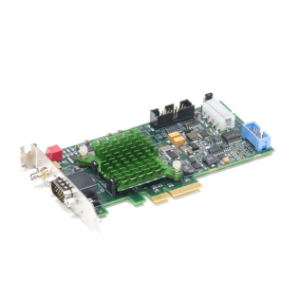
BitFlow has been shipping CoaXPress frame grabbers since 2012. The standard has not stood still and BitFlow has continued to advance its products. The latest is the Claxon, a quad CXP-12 PCIe Gen 3* frame grabber. CXP-12 is the latest CoaXPress speed jump, now transmitting video at 12. 5 Gb/S. While the speed of data through the frame grabber has doubled, the overall architecture has remained the same as the previous generation Cyton, allowing user to easily migrate to the newer cameras without major software changes.
The Claxon-CXP1 is just the second product on the Claxon platform. Coming soon will be support for high speed data forwarding (over CXP) and support for CXP over fiber.
*Gen 3 is not required for a single link CXP-12 board.
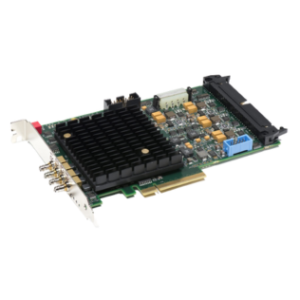
BitFlow has been shipping CoaXPress frame grabbers since 2012. The standard has not stood still and BitFlow has continued to advance its products. The latest is the Claxon, a quad CXP-12 PCIe Gen 3 frame grabber. CXP-12 is the latest CoaXPress speed jump, now transmitting video at 12. 5 Gb/S. While the speed of data through the frame grabber has doubled, the overall architecture has remained the same as the previous generation Cyton, allowing user to easily migrate to the newer cameras without major software changes.
The Claxon-CXP4 is just the first product on the Claxon platform. Coming soon will be support for high speed data forwarding (over CXP) and support for CXP over fiber.
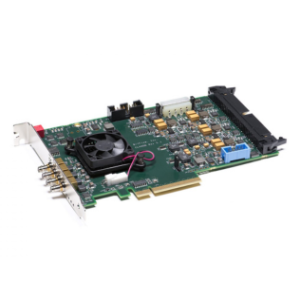
BitFlow has been shipping CoaXPress frame grabbers since 2012. The standard has not stood still and BitFlow has continued to advance its products. The latest is the Claxon, a quad CXP-12 PCIe Gen 3 frame grabber. CXP-12 is the latest CoaXPress speed jump, now transmitting video at 12. 5 Gb/S. While the speed of data through the frame grabber has doubled, the overall architecture has remained the same as the previous generation Cyton, allowing user to easily migrate to the newer cameras without major software changes.
The Claxon CXP4-V is designed for small form factor fanless computers where airflow isn’t sufficient to dissipate the FPGA heat.
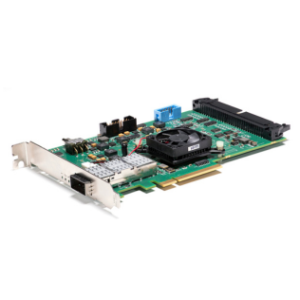
BitFlow has been shipping CoaXPress frame grabbers since 2012. The standard has not stood still and BitFlow has continued to advance its products. The latest is the Claxon, a quad CXP-12 PCIe Gen 3 frame grabber. CXP-12 is the latest CoaXPress speed jump, now transmitting video at 12. 5 Gb/S. While the speed of data through the frame grabber has doubled, the overall architecture has remained the same as the previous generation Cyton, allowing user to easily migrate to the newer cameras without major software changes.
Another thing to consider is that fiber is immune to electrical noise.
All currently CoaXPress data rates are supported, up to 12 Gb/S. And the future looks bright, 25 Gb/S over fiber is coming soon
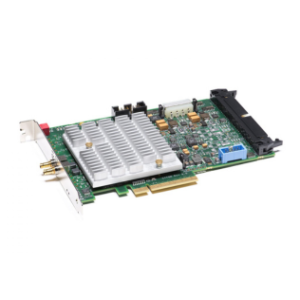
To develop the Cyton platform we first started with a clean slate and asked ourselves, “What does a next generation frame grabber need?”. For sure, For sure, it needs a high speed back end for the ultimate high speed access to host memory. It also needs a sophisticated DMA engine to handle the demands of new camera interface standards. New standards demand flexibility. CXP cameras will soon be able to put out streams of random sized ROIs, something our previous generation DMA engine was not capable of. Finally, we know based on years of experience of making frame grabbers that it needs flexible and powerful I/O, triggering, and routing. The CoaXPress front end is based on our Karbon-CXP, but upgraded and ready for the coming changes in the CXP standards. The Cyton platform is the foundation for today and tomorrow’s frame grabbers, whether it’s CoaXPress, Camera Link, or whatever new standards emerge from the Machine Vision industry.
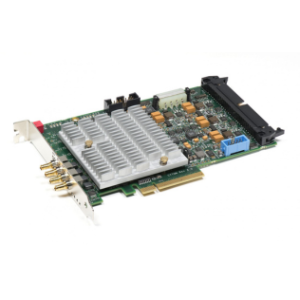
To develop the Cyton platform we first started with a clean slate and asked ourselves, “What does a next generation frame grabber need?”. For sure, For sure, it needs a high speed back end for the ultimate high speed access to host memory. It also needs a sophisticated DMA engine to handle the demands of new camera interface standards. New standards demand flexibility. CXP cameras will soon be able to put out streams of random sized ROIs, something our previous generation DMA engine was not capable of. Finally, we know based on years of experience of making frame grabbers that it needs flexible and powerful I/O, triggering, and routing. The CoaXPress front end is based on our Karbon-CXP, but upgraded and ready for the coming changes in the CXP standards. The Cyton platform is the foundation for today and tomorrow’s frame grabbers, whether it’s CoaXPress, Camera Link, or whatever new standards emerge from the Machine Vision industry.
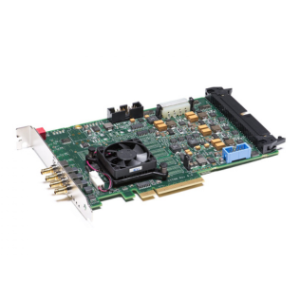
To develop the Cyton platform we first started with a clean slate and asked ourselves, “What does a next generation frame grabber need?”. For sure, For sure, it needs a high speed back end for the ultimate high speed access to host memory. It also needs a sophisticated DMA engine to handle the demands of new camera interface standards. New standards demand flexibility. CXP cameras will soon be able to put out streams of random sized ROIs, something our previous generation DMA engine was not capable of. Finally, we know based on years of experience of making frame grabbers that it needs flexible and powerful I/O, triggering, and routing. The CoaXPress front end is based on our Karbon-CXP, but upgraded and ready for the coming changes in the CXP standards. The Cyton platform is the foundation for today and tomorrow’s frame grabbers, whether it’s CoaXPress, Camera Link, or whatever new standards emerge from the Machine Vision industry.
The Cyton CXP4-V is designed for small form factor fanless computers where airflow isn’t sufficient to dissipate the FPGA heat.
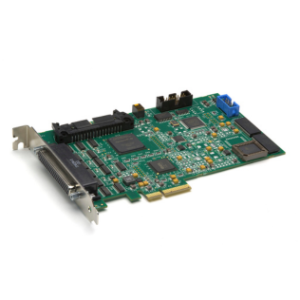
Simplify your industrial, medical, or semiconductor imaging application with BitFlow’s Neon-DIF, the easiest to use and most reliable differential frame grabber available anywhere. The Neon-DIF captures images at speeds up to the camera’s highest frame/data rate, with precision image acquisition suitable for the most demanding applications.
The Neon-DIF is designed for the OEM customer looking for the performance of the PCI Express bus, a differential interface, and one of the lowest price points in the industry. The target markets are applications where the current frame grabber is no longer available but the camera and application are still important. Another niche that this product fills is differential applications where the PC needs upgrading, but the frame grabber has a PCI interface. Motherboards with PCI slots are getting harder and harder to find. Finally, customers who want to port their application to 64-bit Windows are finding that their differential frame grabbers are not supported on newer operating systems. The Neon-DIF can handle all of these situations.
The Neon-DIF is not just for legacy situations, however. There are still a tremendous number of devices that output differential data that may not even be cameras. The Neon-DIF can acquire from just about anything and efficiently DMA the data into host memory.
Adding the Neon-DIF to your application is simple with our SDK, which supports both 32-bit and 64-bit operating systems. The SDK provides high level APIs for sophisticated buffer management and low-level direct access to the board for speedy custom control.
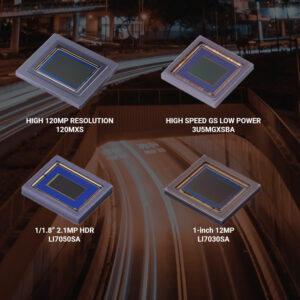
Canon has been manufacturing CMOS sensors since 2000 for exclusive use in Canon products. Building on that expertise and success, Canon is now committed to starting external sales to collaborate with various industries. Canon CMOS sensors feature unique designs to meet the needs of demanding vision applications.
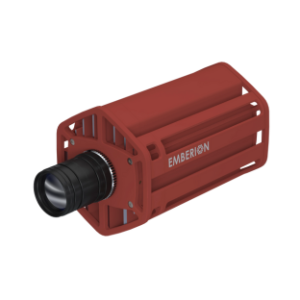
Emberion VS20 offers a full camera functionality with implementations for sensor readout and control, analog-to-digital signal conversion, calibration, image pre-processing, thermal control, power management and standard digital camera interface. The camera core circuit boards are supplemented by an optional mechanics and housing designed for efficient thermal management and protection against dust and water. A stable performance over a wide environmental temperature range is ensured with a thermo-electric cooling (TEC) element built in the image sensor package. Potential applications of the image sensor and camera lie in multiple domains, e.g. monochromatic machine vision and enabling multispectral and hyperspectral imaging.
Emberion VS20 cameras are available with two interface options: Camera Link (Emberion VS20 CL) or with GigE Vision (Emberion VS20 GigE).
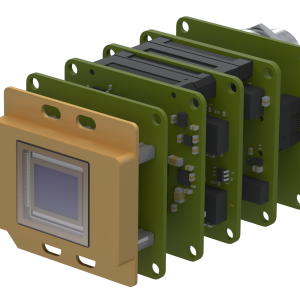
Emberion VS20 Core with GigE interface offers a full camera functionality with implementations for sensor readout and control, analog-to-digital signal conversion, calibration, image pre-processing, thermal control, power management and standard digital camera interface. A stable performance over a wide environmental temperature range is ensured with a thermoelectric cooling (TEC) element built in the image sensor package. The camera core circuit boards can be built into a stand-alone housed camera or integrated into a hosting imaging system. The module boards can be positioned in various ways due to the flexible connectors between the boards. Potential applications of the image sensor and camera lie in multiple domains, e.g. monochromatic machine vision and multispectral and hyperspectral imaging.
Emberion VS20 Core will be available as a product variant and will support up to 400 fps.
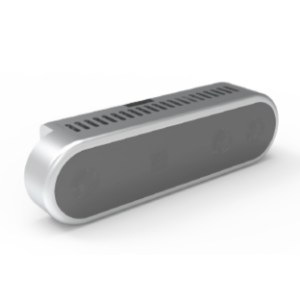
JMGV_VD100 active structured light binocular camera is a stereo vision camera deeply customized and developed according to the needs of robots and industrial stereo vision application scenarios. The industry-leading 940nm infrared structured light speckle projector is used to supplement light and texture, and OV9282 global shutter sensor has the highest tolerance in the industry for motion speed and environment. It can be widely used in industrial sorting, AGV and service robot obstacle avoidance, high precision visual positioning and other scenarios.
Product Features:
• 640×400@30fps, high resolution and frame rate, widely used in various scenarios.
• Industry leading wide FOV92.5°x80.5°x55.2° (DxHxV) for wider sensing range.
• 940nm infrared structured light projector has extremely high environmental tolerance and
can be used indoor and outdoor, dark and light environments. Compared with structured
light and TOF solutions, the material of detected object has a wider applicable range.
• Adopts a global shutter sensor, which can be adapted to high speed and dark light
environments.
• Dedicated ASIC binocular depth calculation chip, which consumes low power and does not
occupy the computing power of the host computer;
• Type C USB 2.0 interface with locking function, high reliability and good applicability.
• Ultra-low noise, very suitable for obstacle avoidance applications
• Mature Linux and ROS 2 development SDK;
 +65 6748 5517
 info@jm-vistec.com
 10 Kaki Bukit Ave 1, #07-06, Singapore 417942