
























Product Catalog

icon-dot

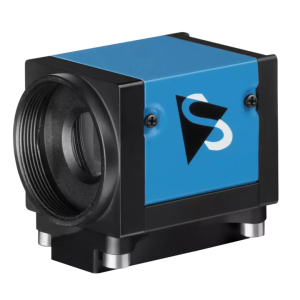
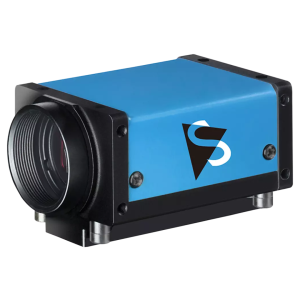
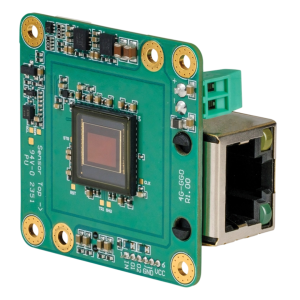
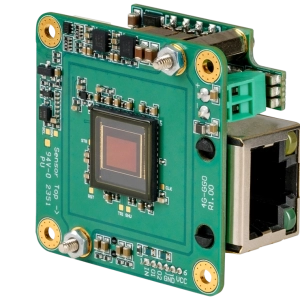
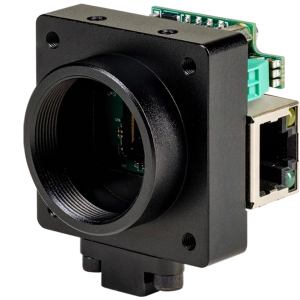
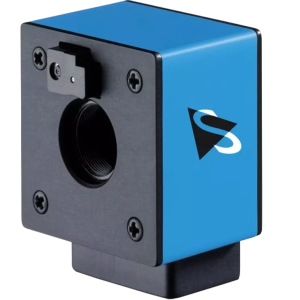
5GigE Vision camera for demanding applications

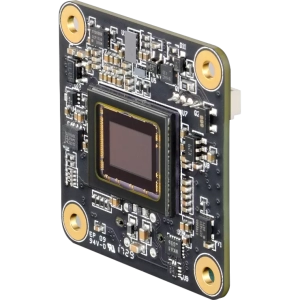
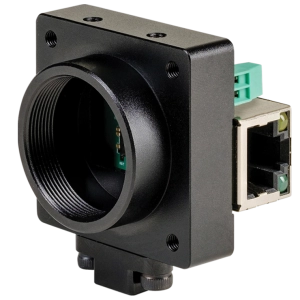
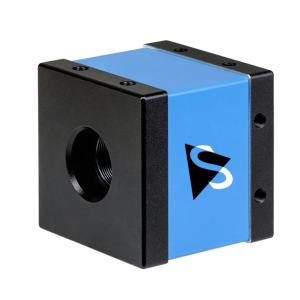
The Alvium G5 camera series combines the advantages of the 5GigE interface for higher bandwidth and the flexibility of the Alvium platform offering various mount and sensor options. It enables an easy upgrade of existing systems (USB3 Vision or GigE Vision) and offers backwards compatibility with 1000BASE-T solutions. Powered by ALVIUM® Technology, the sugar cube Alvium G5 camera delivers highest image quality at a low power consumption.

Alvium G5 is a high-performance 5GigE-Vision camera. Benefit from more bandwidth in a compact form factor!

  • More performance: 4.2 times more bandwidth than GigE

  • Small size: Smallest 5GigE camera in the market with popular sugar cube format

  • Flexibility: Easy upgrade of existing GigE or USB solutions

  • High-performance sensors: Choose from 11 Sony IMX sensors

  • Industrial-grade hardware: Compact housing and industrial standard hardware

Resolution8.1 MP
Speed58 fps

Short-wave infrared (SWIR) cameras with InGaAs sensor technology

Goldeye cameras are equipped with InGaAs sensor technology making them sensitive in the short wave infrared spectrum ranging from 900 nm to 1,700 nm. Some models have extended sensitivity in the visible spectrum down to 400 nm or up to 2200 nm. All Goldeye SWIR cameras can be operated at very high frame rates and capture outstanding low-noise images. They are the perfect choice for industrial and scientific applications beyond the visible spectrum. All Goldeye models are available with either a Camera Link or a GigE Vision interface.

Goldeye is a compact industrial and advanced scientific SWIR camera series. Benefit from its high versatility!

  • Its modular design offers you SWIR cameras in multiple-flavors whether resolution, interface, lens-mount, optical filter or sensor cooling wise (TEC1, TEC2, TECless).
  • Multiple image processing features and optional sensor cooling ensure you best imaging results with low-noise, high linearity and dynamic range
  • High frame rates enable to speed up your processes
  • Experience an eased system integration supported by features like, Power over Ethernet enabling single cable solutions, comprehensive I/O control functionality, or multiple mounting options.
Resolution0.1-1.3 MP
Speed94-344 fps

Short-wave infrared (SWIR) cameras with InGaAs sensor technology

Goldeye cameras are equipped with InGaAs sensor technology making them sensitive in the short wave infrared spectrum ranging from 900 nm to 1,700 nm. Some models have extended sensitivity in the visible spectrum down to 400 nm or up to 2200 nm. All Goldeye SWIR cameras can be operated at very high frame rates and capture outstanding low-noise images. They are the perfect choice for industrial and scientific applications beyond the visible spectrum. All Goldeye models are available with either a Camera Link or a GigE Vision interface.

Goldeye is a compact industrial and advanced scientific SWIR camera series. Benefit from its high versatility!

  • Its modular design offers you SWIR cameras in multiple-flavors whether resolution, interface, lens-mount, optical filter or sensor cooling wise (TEC1, TEC2, TECless).
  • Multiple image processing features and optional sensor cooling ensure you best imaging results with low-noise, high linearity and dynamic range
  • High frame rates enable to speed up your processes
  • Experience an eased system integration supported by features like, Power over Ethernet enabling single cable solutions, comprehensive I/O control functionality, or multiple mounting options.
Resolution0.1-5.3 MP
Speed115-159 fps

Features and Benefits:

  • Supports USB 3.1 Gen 1 (5 Gb/s) data transfer up to 50 m over fiber optic cable
  • Host connector: USB Type-A plug Device connector: USB Micro-B plug with USB 3 Vision locking screws
  • Attached device can be powered through the cable
  • 850 nm VCSEL transmitter, PIN photodiode receiver
  • Computer plug and play for USB devices, no driver or software to install
  • Operating temperature (case surface): 5°C to 70°C
  • All-metal housing for superior EMI performance

Applications:

  • Machine Vision Cameras
  • Any USB link requiring extended distance or repetitive cable bending


Features and Benefits:

  • Supports USB 3.1 Gen 1 (5 Gb/s) data transfer up to 50 m over fiber optic cable
  • Host connector: USB Type-A plug Device connector: USB Micro-B plug with USB 3 Vision locking screws
  • Attached device can be powered through the cable
  • 850 nm VCSEL transmitter, PIN photodiode receiver
  • Computer plug and play for USB devices, no driver or software to install
  • Operating temperature (case surface): 5°C to 70°C
  • All-metal housing for superior EMI performance

Applications:

  • Machine Vision Cameras
  • Any USB link requiring extended distance or repetitive cable bending

The Aon-CXP is low cost single link CoaXPress frame grabber. While it looks tiny, it has all the power of its big brother, the Cyton. It supports CXP camera speeds up to 6.25 Gb/S. The technology that Machine Vision components are built on are advancing rapidly in performance while size and costs are plummeting. CoaXPress cameras, which traditionally were power hungry, large, and expensive, are now small, cool, and affordable. Single link cameras are coming out that are 29mm cubes. While this sounds tiny, they can still receive 6.25 Gb/S worth of data over the link, almost twice the real world data rate of the USB3 Vision standard and significantly quicker than the latest GigE Vision data rates. This means you can get 2 MP images at 300 FPS! The Aon CXP has been designed for this low cost/high-performance market.

A small foot print single link CXP camera mated with the Aon-CXP can provide all the convenience of a GigE Vision or USB3 Vision camera system. It can compete on price; can exceed the cable lengths in many cases; and can provide a host of Machine Vision features missing from GigE Vision or USB3 Vision camera systems (triggers, encoders, strobe, waveform generators, quadrature encoder support, etc.). Furthermore, because of the Aon’s advanced DMA engine, no CPU resources are used in moving images to host memory.

One of the biggest advantages of buying a frame grabber over a GigE Vision or USB3 Vision camera is that all of the hardware and software components of the capture system are sourced from one manufacturer. It is not a bunch of separate blocks from different manufacturers (including Intel and Microsoft). BitFlow wrote every line of software and firmware and designed all their own hardware, which means if you have a problem we can support you. If the problem is on our side, we can fix it ourselves and get you a solution in a short amount of time.

The Axion-CL is the most powerful CL frame grabber BitFlow has ever manufactured. A natural addition to this family was obvious…a CL Base version. The Axion xB series will be replacing the Neon series of Camera Link frame grabbers.

The Axion-CL also benefits from other products in BitFlow’s line up. The Axion-CL uses the Cyton-CXP’s backend: the StreamSync DMA engine and buffer manager. A brand new PCIe Gen 2 interface, with DMA optimized for modern (fully loaded, fully busy) computers.

Moving from the Neon family to the Axion family is simple. No need to make changes to your code, just recompile with the latest SDK. If you are using a 3rd party application, such as Cognex Vision Pro or LabVIEW, just download the latest driver and your program will already be supported. The same application can support both the Axion and the Neon family (as well as our CXP line of frame grabbers).

Connectors on the Axion 1xB are the same as those on the Neon CLB, so your existing cable infrastructure will not need to be changed.


BitFlow has been making Camera Link frame grabbers since 1999. With each successive generation of frame grabbers, BitFlow has improved the quality, flexibility and robustness of their interfaces. Meanwhile, much has changed on the backend; PCI to PCIe, Gen 1 to Gen 2, etc. Also the Camera Link Specification had been continuously evolving: 80-bit (10-tap) mode was added, Power over Camera Link (PoCL), new connectors, new tap formats. Even though the specification has been around a long time, it is still one of the simplest, efficient and least expensive ways to get camera data into a computer. It also benefits from 100s of thousands of pieces of CL equipment sold worldwide.

BitFlow has been on top of all these changes and has continuously improved and updated their Camera Link frame grabbers. The Axion-CL is the culmination of all of these improvements, the most powerful CL frame grabber BitFlow has ever manufactured.

The Axion-CL also benefits from other products in BitFlow’s line up. The Axion-CL uses the Cyton-CXP’s backend: the StreamSync DMA engine and buffer manager. A brand new PCIe Gen 2 interface, with DMA optimized for modern (fully loaded, fully busy) computers.

BitFlow has been making Camera Link frame grabbers since 1999. With each successive generation of frame grabbers, BitFlow has improved the quality, flexibility and robustness of their interfaces. Meanwhile, much has changed on the backend; PCI to PCIe, Gen 1 to Gen 2, etc. Also the Camera Link Specification had been continuously evolving: 80-bit (10-tap) mode was added, Power over Camera Link (PoCL), new connectors, new tap formats. Even though the specification has been around a long time, it is still one of the simplest, efficient and least expensive ways to get camera data into a computer. It also benefits from 100s of thousands of pieces of CL equipment sold worldwide.

BitFlow has been on top of all these changes and has continuously improved and updated their Camera Link frame grabbers. The Axion-CL is the culmination of all of these improvements, the most powerful CL frame grabber BitFlow has ever manufactured.

The Axion-CL also benefits from other products in BitFlow’s line up. The Axion-CL uses the Cyton-CXP’s backend: the StreamSync DMA engine and buffer manager. A brand new PCIe Gen 2 interface, with DMA optimized for modern (fully loaded, fully busy) computers.

The Axion-CL is the most powerful CL frame grabber BitFlow has ever manufactured. A natural addition to this family was obvious…a CL Base version. The Axion xB series will be replacing the Neon series of Camera Link frame grabbers.

The Axion-CL also benefits from other products in BitFlow’s line up. The Axion-CL uses the Cyton-CXP’s backend: the StreamSync DMA engine and buffer manager. A brand new PCIe Gen 2 interface, with DMA optimized for modern (fully loaded, fully busy) computers.

Moving from the Neon family to the Axion family is simple. No need to make changes to your code, just recompile with the latest SDK. If you are using a 3rd party application, such as Cognex Vision Pro or LabVIEW, just download the latest driver and your program will already be supported. The same application can support both the Axion and the Neon family (as well as our CXP line of frame grabbers).

Connectors on the Axion 2xB are the same as those on the Neon CLD, so your existing cable infrastructure will not need to be changed.


BitFlow has been making Camera Link frame grabbers since 1999. With each successive generation of frame grabbers, BitFlow has improved the quality, flexibility and robustness of their interfaces. Meanwhile, much has changed on the backend; PCI to PCIe, Gen 1 to Gen 2, etc. Also the Camera Link Specification had been continuously evolving: 80-bit (10-tap) mode was added, Power over Camera Link (PoCL), new connectors, new tap formats. Even though the specification has been around a long time, it is still one of the simplest, efficient and least expensive ways to get camera data into a computer. It also benefits from 100s of thousands of pieces of CL equipment sold worldwide.

BitFlow has been on top of all these changes and has continuously improved and updated their Camera Link frame grabbers. The Axion-CL is the culmination of all of these improvements, the most powerful CL frame grabber BitFlow has ever manufactured.

The Axion-CL also benefits from other products in BitFlow’s line up. The Axion-CL uses the Cyton-CXP’s backend: the StreamSync DMA engine and buffer manager. A brand new PCIe Gen 2 interface, with DMA optimized for modern (fully loaded, fully busy) computers.

BitFlow has been making Camera Link frame grabbers since 1999. With each successive generation of frame grabbers, BitFlow has improved the quality, flexibility and robustness of their interfaces. Meanwhile, much has changed on the backend; PCI to PCIe, Gen 1 to Gen 2, etc. Also the Camera Link Specification had been continuously evolving: 80-bit (10-tap) mode was added, Power over Camera Link (PoCL), new connectors, new tap formats. Even though the specification has been around a long time, it is still one of the simplest, efficient and least expensive ways to get camera data into a computer. It also benefits from 100s of thousands of pieces of CL equipment sold worldwide.

BitFlow has been on top of all these changes and has continuously improved and updated their Camera Link frame grabbers. The Axion-CL is the culmination of all of these improvements, the most powerful CL frame grabber BitFlow has ever manufactured.

The Axion-CL also benefits from other products in BitFlow’s line up. The Axion-CL uses the Cyton-CXP’s backend: the StreamSync DMA engine and buffer manager. A brand new PCIe Gen 2 interface, with DMA optimized for modern (fully loaded, fully busy) computers.

The Axion-CL is the most powerful CL frame grabber BitFlow has ever manufactured. A natural addition to this family was obvious…a CL Base version. The Axion xB series will be replacing the Neon series of Camera Link frame grabbers.

The Axion-CL also benefits from other products in BitFlow’s line up. The Axion-CL uses the Cyton-CXP’s backend: the StreamSync DMA engine and buffer manager. A brand new PCIe Gen 2 interface, with DMA optimized for modern (fully loaded, fully busy) computers.

Moving from the Neon family to the Axion family is simple. No need to make changes to your code, just recompile with the latest SDK. If you are using a 3rd party application, such as Cognex Vision Pro or LabVIEW, just download the latest driver and your program will already be supported. The same application can support both the Axion and the Neon family (as well as our CXP line of frame grabbers).

Connectors on the Axion 4xB are the same as those on the Neon-CLQ, so your existing cable infrastructure will not need to be changed.

The Claxon Platform

BitFlow has been shipping CoaXPress frame grabbers since 2012. The standard has not stood still and BitFlow has continued to advance its products. The latest is the Claxon, a quad CXP-12 PCIe Gen 3* frame grabber. CXP-12 is the latest CoaXPress speed jump, now transmitting video at 12. 5 Gb/S. While the speed of data through the frame grabber has doubled, the overall architecture has remained the same as the previous generation Cyton, allowing user to easily migrate to the newer cameras without major software changes.

The Claxon-CXP1 is just the second product on the Claxon platform. Coming soon will be support for high speed data forwarding (over CXP) and support for CXP over fiber.

*Gen 3 is not required for a single link CXP-12 board.

The Claxon Platform

BitFlow has been shipping CoaXPress frame grabbers since 2012. The standard has not stood still and BitFlow has continued to advance its products. The latest is the Claxon, a quad CXP-12 PCIe Gen 3 frame grabber. CXP-12 is the latest CoaXPress speed jump, now transmitting video at 12. 5 Gb/S. While the speed of data through the frame grabber has doubled, the overall architecture has remained the same as the previous generation Cyton, allowing user to easily migrate to the newer cameras without major software changes.

The Claxon-CXP4 is just the first product on the Claxon platform. Coming soon will be support for high speed data forwarding (over CXP) and support for CXP over fiber.


BitFlow has been shipping CoaXPress frame grabbers since 2012. The standard has not stood still and BitFlow has continued to advance its products. The latest is the Claxon, a quad CXP-12 PCIe Gen 3 frame grabber. CXP-12 is the latest CoaXPress speed jump, now transmitting video at 12. 5 Gb/S. While the speed of data through the frame grabber has doubled, the overall architecture has remained the same as the previous generation Cyton, allowing user to easily migrate to the newer cameras without major software changes.

The Claxon CXP4-V is designed for small form factor fanless computers where airflow isn’t sufficient to dissipate the FPGA heat.